
Documentary photography from across Canada
Harbourlight Stories

Through the Lens

A closer look at how we photograph, listen and edit, from the first visit to a finished page.

In the field

The work as it looks while we make it

These scenes come from the settings where our stories begin: kitchens, main streets, studios and editing tables. Each shows a step, a material or a habit we rely on when we work.

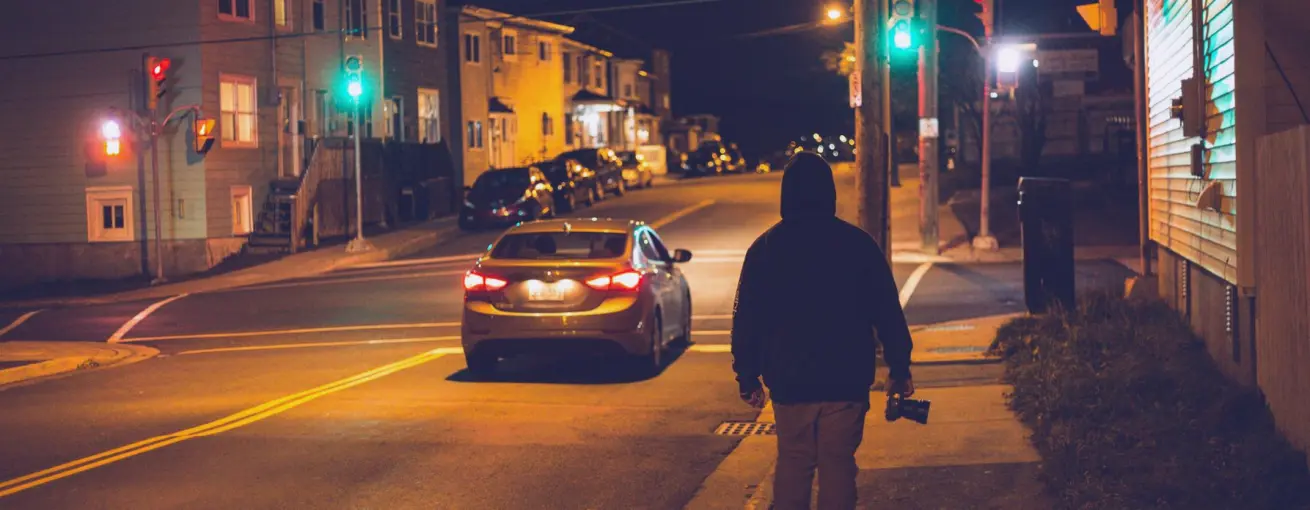
Walking a main street before shooting

Walking a main street before shooting

We often spend the first hour without a camera raised, learning the rhythm of a street. Where people stop, who greets whom and when the light turns are all noted before a frame is taken.

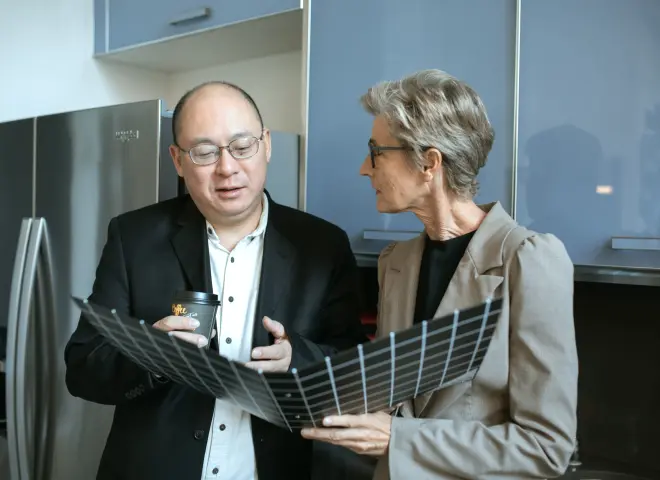
Interview at a kitchen table

Interview at a kitchen table

Most conversations happen at home, over tea. We record with the speaker's permission, keep a notebook beside us and let the talk wander, because the best details tend to arrive late.

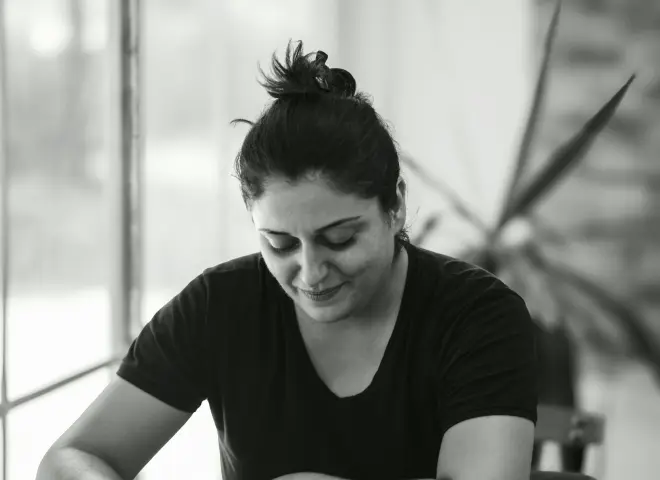
Natural-light portrait by a window

Natural-light portrait by a window

We prefer window light and a plain wall. It keeps the focus on the face and on how a person sits in their own space, without props or heavy direction.

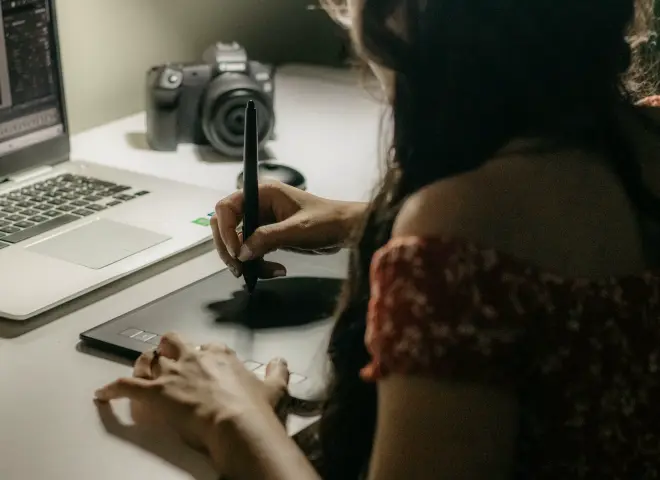
Sequencing prints on the desk

Sequencing prints on the desk

Our photo editor lays printed frames out on a table and moves them around until the essay reads in a clear order. Pairs that echo each other often end up side by side.

Writing captions with the subject

Writing captions with the subject

Captions are checked with the people pictured wherever we can. Names, places and details should be right before they appear next to a photograph.

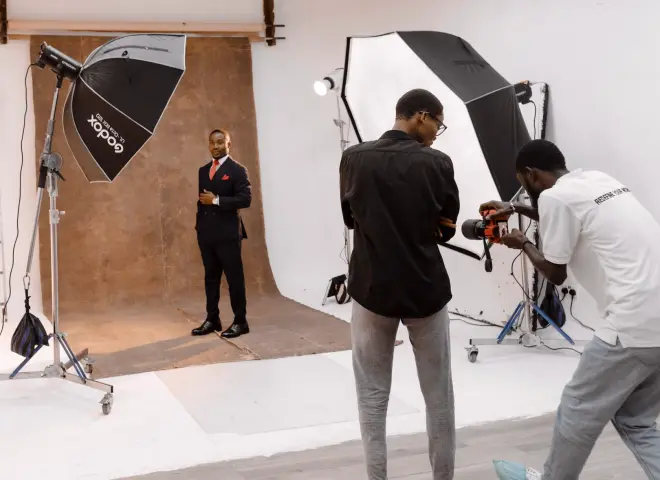
Studio set-up for group portraits

Studio set-up for group portraits

For families and community groups we use a simple studio with soft light and a tripod. Everyone has time to settle, and we take several frames so people can choose the one they prefer.

How we look

Principles behind the pictures we publish

A documentary photograph is a record of a moment and a choice about what to include. We try to make those choices openly and with the consent of the people we photograph. These three habits shape most of our work.

Ask before pointing the lens

We introduce ourselves, explain what the photographs are for and ask whether people are comfortable being pictured. Some say yes at once, some prefer to talk first, and some decline, which we respect. In shared spaces such as markets or halls, we tell organizers in advance. Nobody should find themselves in a story without knowing it.

Stay long enough to be ordinary

People relax once a photographer has been around for a while. We return on different days, at different hours, so the pictures show routines and not only a performance for a visitor. That patience is slower and costs more time, but it gives the images a plainer, more honest look.

Describe without decorating

Captions say who, where and what is happening. We avoid dramatic phrasing and do not add events that the pictures cannot support. If an image was taken at a different time from the others in an essay, we say so, so the reader always knows what they are seeing.

A closer look

How a Photo Essay comes together

  1. Planning visit

    We meet the people involved, walk the location and agree what the essay should show. You tell us who needs to approve it and which parts of daily life are private.

  2. Photographing over several days

    We visit more than once, at different times of day. This lets the essay include ordinary moments as well as planned events, and gives the editor a wider choice of images.

  3. Selection and sequencing

    The photo editor chooses frames and arranges them so the essay reads in a clear order. You see the proposed selection before anything is finalized.

  4. Captions and introduction

    Each image gets a caption, and a short written introduction sets the scene. People pictured can check names and details, and we correct anything they flag before publication.

Ask for a quote